
Effective Ways to Manage Everyday Stress and Boost Your Well-Being
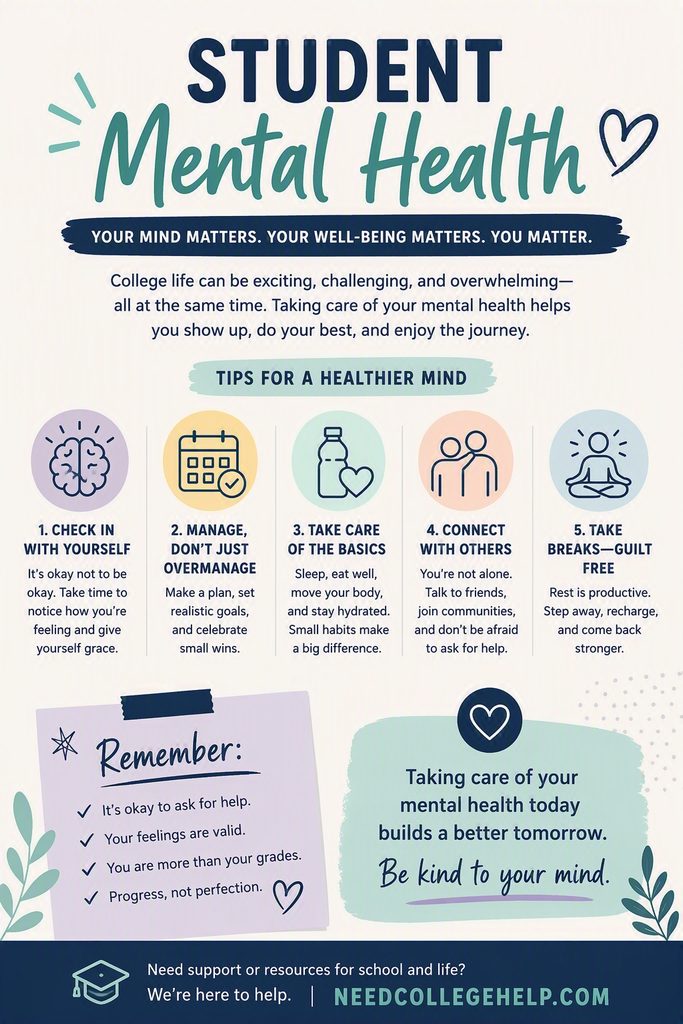
By James Hall. College students often carry everyday stressors that pile up fast, even when life looks “fine” from the outside. The core tension is that academic pressure, social challenges, financial concerns, and time management stress can blend together until it’s hard to tell what’s actually driving the strain. Naming the top five triggers matters because stress feels less mysterious when its sources are clear and specific. With a clearer view of personal patterns, college students can feel steadier and more ready to respond with purpose.
Understanding Stress and Your Body’s Response
Stress is a body’s physical and emotional response when something feels demanding, uncertain, or high-stakes. It is not just “feeling overwhelmed.” It is a built-in alarm system that shifts your body into action, including releasing cortisol to help you stay alert.That response can be useful in short bursts, like focusing during an exam or reacting quickly in traffic. But when stress stays on for days or weeks, higher cortisol can disrupt sleep, mood, focus, and even how resilient you feel. Over time, chronic stress can reshape psychological well-being and increase mental health strain.Think of it like a smoke alarm with a low battery that keeps chirping all night. Even if there is no fire, your system never fully rests, so small problems start feeling huge. With this foundation, you can compare mindfulness, natural therapies, and herbs thoughtfully, including safety and when to consult a pro.
Explore 4 Safety-First Natural Stress-Relief Paths
When you recognize how stress shows up in your body, it’s easier to choose supports that feel calming without adding new risks. Three safety-first, alternative modalities to consider are mindfulness techniques (like simple breathing or guided attention), ashwagandha, and THC products such as THCa distillate. With any new approach, especially herbs or cannabinoids, start low, watch for side effects, and check for interactions with medications or existing conditions; when in doubt, consult a clinician or pharmacist first.
Build a Student-Friendly Stress Plan You Can Start Today
Stress doesn’t usually come from one big thing, it’s the pileup. A simple plan you can repeat on campus (even on busy weeks) helps you recover faster and keep stress from running your schedule.
1. Lock in “minimum movement” most days: Aim for 20–30 minutes of moderate activity (brisk walk to class, stairs, a quick bodyweight circuit) at least 4 days a week, then treat anything extra as a bonus. This works because movement burns off stress hormones and gives your brain a clear “reset” point in the day. Evidence suggests students meeting moderate-to-vigorous physical activity guidelines are more likely to use active stress-management behaviors. If time is tight, split it into two 10–15 minute blocks between classes.
2. Create one boundary that protects your work-life balance: Pick a rule you can follow this week, like “no school work after 10:30 p.m.” or “one meal a day with my laptop closed.” Boundaries work because they reduce decision fatigue and stop stress from spilling into every hour. If you commute or work, try a 10-minute “switching ritual” after your last class, walk, stretch, or shower, before starting your next responsibility.
3. Build a “steady energy” plate (even from the dining hall): At most meals, combine protein + fiber + color: eggs/beans/chicken/tofu, whole grains or fruit, and at least one vegetable. This steadies blood sugar, which can reduce jittery, wired feelings that mimic anxiety. Keep two emergency options in your bag for long days, nuts, a protein bar, or tuna packets, so stress doesn’t turn into accidental meal-skipping.
4. Use deep breathing as your in-the-moment brake: When you notice racing thoughts, try 6 slow breaths: inhale through your nose for 4 seconds, exhale for 6 seconds, and relax your shoulders on the exhale. Longer exhales cue your nervous system to downshift, which is especially helpful before presentations, exams, or difficult conversations. Pair it with a “name it to tame it” check-in: “I’m stressed because I’m behind, not because I’m failing.”
5. Keep meditation small and consistent: Use a 3–5 minute practice once a day, sit, feel your feet on the floor, and return attention to the breath whenever your mind wanders. This builds the same skill you need during stressful moments: noticing a thought without getting dragged by it. If you liked the safety-first natural approaches from earlier, meditation is a low-risk foundation you can layer under other options you’ve vetted.
6. Tighten sleep hygiene with two simple levers: Set a “same wake time” most days and a 30-minute wind-down (dim lights, light stretch, paper book, or a warm shower). Consistent wake time anchors your body clock, and a wind-down lowers arousal so you fall asleep faster. If you’re stuck studying late, stop caffeine at least 8 hours before bed and keep naps to 20 minutes before mid-afternoon.
A student-friendly stress plan isn’t about perfection, it’s about repeatable basics you can do on ordinary days. When stress starts feeling constant, overwhelming, or tied to panic, sleep loss, or hopelessness, it helps to know what’s normal, what’s fixable at home, and what support options are worth reaching for.
Stress Management FAQs for Busy Students
Q: What causes everyday stress to spike in college life? A: It often comes from stacking deadlines, social pressure, money worries, and irregular sleep, not one single problem. Try a two-minute “stress inventory” and pick one change you can control today, like simplifying one task or asking for an extension early.
Q: How do I know if my stress is normal or something more serious? A: Stress is common, but it may be time to get extra support if you feel stuck, numb, or unable to function for weeks. Many students deal with this, and depressive symptoms are reported by a significant portion of college students. A good next step is to contact campus counseling, your primary care clinic, or a trusted advisor.
Q: What’s a fast coping tool I can use right before an exam or presentation? A: Do one minute of slow breathing, then unclench your jaw and drop your shoulders. Follow it with a micro-plan: write the first two steps you will do, not the whole project.
Q: Can caffeine and scrolling make stress feel worse? A: Yes, they can raise jitters and keep your brain “on,” especially when you are tired. Try a small rule like no caffeine after mid-afternoon and a 10-minute phone-free reset before bed.
Q: Should I talk to someone even if I’m not in a crisis? A: Absolutely. Peer support groups, resident advisors, and counseling visits can help you build skills before stress snowballs. Asking for help is a strength, not a failure.
Build a Simple Stress Routine That Protects Mental Health: Stress can pile up fast, classes, work, and constant notifications can make even small tasks feel heavy. A steady stress management summary comes down to a proactive well-being mindset: noticing early signals, using supportive coping tools, and reaching out for help when it’s needed. Practiced consistently, these choices reduce overwhelm and support clearer focus, better sleep, and empowerment for students in demanding seasons. Small, repeatable habits are the most reliable form of stress relief. Choose one actionable stress relief habit this week, like a five-minute breathing reset between study blocks, and protect it on your calendar. This is how day-to-day steadiness becomes resilience that supports long-term mental health.